Understanding the Benefits of Modern Commercial Refrigeration
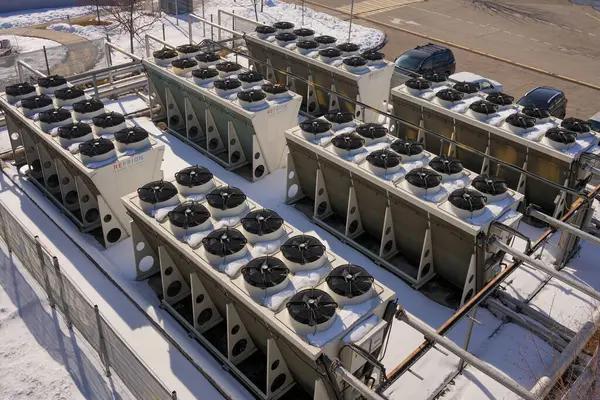
Modern commercial refrigeration plays a crucial role in various industries, including food service, retail, and healthcare. It offers significant advantages that contribute to operational efficiency, product quality, and overall business success. One of the primary benefits of modern commercial refrigeration is its enhanced energy efficiency. Advances in technology have led to systems that consume less power while maintaining optimal cooling performance. This reduction in energy consumption not only lowers utility bills but also minimizes environmental impact by decreasing carbon emissions associated with electricity generation.
Another important advantage is improved temperature control and consistency. Modern refrigeration units are equipped with precise digital thermostats and advanced sensors that maintain stable temperatures within tight ranges. This accuracy helps preserve the freshness and safety of perishable goods such as meats, dairy products, fruits, and vegetables. Consistent temperature regulation reduces spoilage rates and extends shelf life, which ultimately saves businesses money by reducing waste.
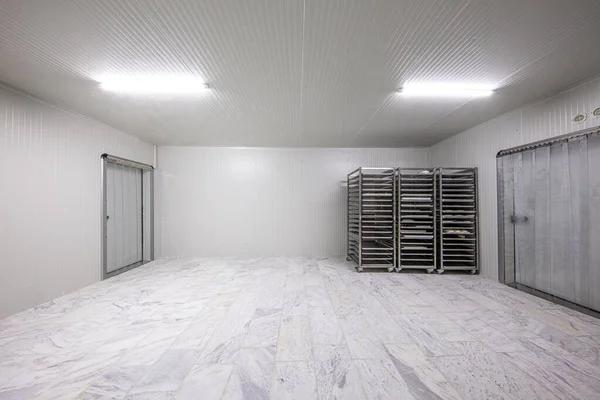
In addition to preserving product quality, contemporary commercial refrigerators often feature better storage capacity and organization options compared to older models. Design innovations allow for more efficient use of space through adjustable shelving and modular compartments tailored to specific storage needs. This flexibility supports smoother workflow in busy environments like restaurants or grocery stores where quick access to inventory is essential.
Durability is another key benefit offered by modern refrigeration equipment. Manufacturers now use high-quality materials resistant to corrosion and wear from frequent cleaning or heavy usage conditions typical in commercial settings. Enhanced build quality ensures longer lifespan for these appliances with fewer breakdowns or maintenance issues over time. Reliable operation translates into reduced downtime risks that could disrupt daily operations or lead to costly repairs.
Additionally, many new systems incorporate environmentally friendly refrigerants that comply with current regulations aimed at protecting the ozone layer and limiting global warming potential (GWP). These eco-conscious choices reflect growing industry commitment toward sustainability without compromising cooling effectiveness.
Technological integration has also improved user convenience through smart features such as remote monitoring capabilities via mobile apps or cloud platforms. Managers can track temperature data remotely, receive alerts about system malfunctions promptly, and schedule maintenance proactively before problems escalate.
Overall, investing in modern Commercial Refrigeration delivers substantial benefits including cost savings from energy efficiency, superior preservation of goods due to precise temperature control, increased storage flexibility supporting operational needs, durable construction ensuring reliability over time alongside environmentally responsible refrigerants promoting sustainability efforts combined with smart technologies enhancing management ease-all contributing positively toward business productivity and customer satisfaction across diverse sectors relying on effective cold storage solutions today.