What Makes Irish Fiddles Different From Other Violins?
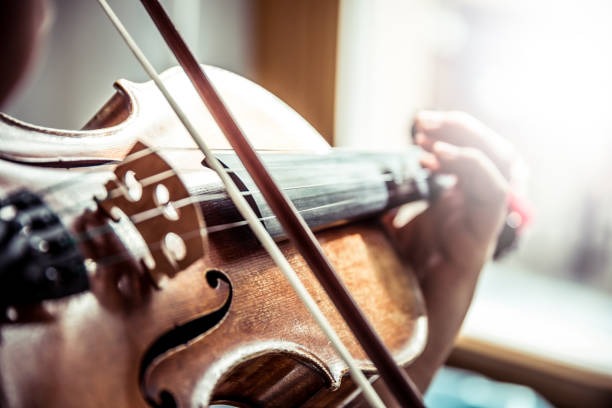
The Irish fiddle holds a unique place in the world of string instruments, distinguished not only by its sound but also by its cultural significance and playing style. While the Irish fiddle is essentially the same instrument as the classical violin, several factors contribute to what makes it different from other violins used in various musical traditions.
Firstly, the construction of an Irish fiddle often mirrors that of a standard violin; however, players sometimes prefer older or more worn instruments for their particular tonal qualities. The wood’s age and treatment can affect resonance and warmth, which are highly valued in traditional Irish music. Unlike orchestral violins that aim for precision and clarity suitable for large ensembles, irish fiddles music tend to emphasize a rich, earthy tone that complements group settings like sessions or céilís.
Another significant difference lies in tuning practices. While classical violins are almost always tuned to standard G-D-A-E tuning, some Irish fiddlers employ alternative tunings known as “scordatura” to achieve specific modal sounds or drones characteristic of traditional tunes. These tunings help produce sympathetic vibrations that enhance the lively and rhythmic nature of Irish music.
Playing technique is perhaps where the most noticeable distinction arises. Traditional Irish fiddling involves a variety of bowing styles and ornamentations such as cuts, rolls, trebles, slides (or glissandos), and double stops-techniques less commonly emphasized in classical violin playing. These embellishments add rhythmic complexity and melody decoration essential to conveying the dance-like feel intrinsic to jigs, reels, hornpipes, and other forms within this genre.
Moreover, rhythm plays a crucial role; unlike classical pieces which may prioritize legato phrasing or sustained notes for emotional expression across movements or sonatas, Irish fiddling demands crisp articulation with pronounced off-beat accents. This creates an upbeat momentum necessary for accompanying dancers during social gatherings.
Cultural context further differentiates Irish fiddles from other violins globally. The tradition is passed down through oral transmission rather than formal notation systems prevalent in Western classical training. This fosters individuality among players who often learn tunes by ear at community sessions rather than through sheet music study alone.
In essence, while physically similar to any violin found worldwide, the Irish fiddle’s distinctiveness emerges from its tonal preferences influenced by instrument choice and setup; specialized tunings tailored for traditional modes; unique bowing techniques rich with ornamentation; rhythmic emphasis suited for dance accompaniment; and deeply rooted cultural practices emphasizing communal learning over formal instruction. Together these elements create an instrument voice uniquely expressive of Ireland’s vibrant musical heritage.