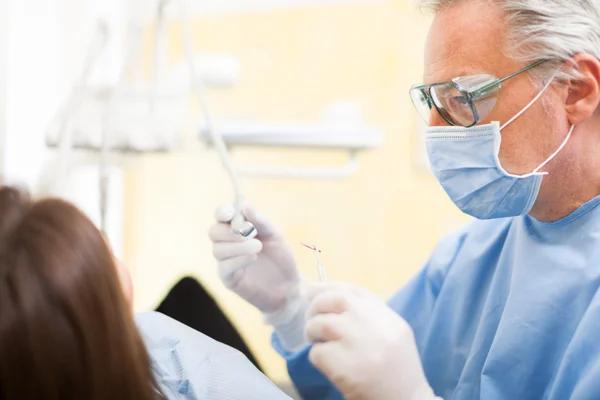
Deep Teeth Cleaning and Root Planing Effective Treatment for Healthy Gums
Deep teeth cleaning and root planing are crucial dental procedures designed to maintain optimal oral health, particularly for individuals suffering from gum disease. These treatments go beyond the standard cleaning processes performed during regular dental checkups, targeting deeper layers of plaque and tartar that accumulate below the gum line. Gum disease, if left untreated, can lead to severe complications including tooth loss and systemic health issues. Thus, understanding these procedures is essential for maintaining healthy gums.
Deep teeth cleaning, also known as scaling and root planing, is a meticulous process that involves removing plaque and tartar from beneath the gum line. This procedure is typically recommended when patients exhibit signs of periodontal disease—a chronic inflammatory condition affecting the tissues surrounding the teeth. Periodontal disease begins with gingivitis, characterized by red, swollen gums that may bleed easily. If not addressed promptly through professional intervention like deep teeth cleaning and root planing, it can progress to periodontitis.
The deep cleaning process starts with scaling, where dental professionals use specialized tools to remove hardened plaque (tartar) from above and below the gum line. This step is critical in preventing further bacterial growth that could exacerbate gum inflammation or infection. Following scaling is root planing—an equally important phase aimed at smoothing out rough spots on tooth roots where bacteria tend to gather. By doing so, this treatment helps eliminate bacterial colonies while promoting reattachment of gums to clean surfaces of teeth.
One significant advantage of deep teeth cleaning combined with root planing lies in its effectiveness at halting progression of periodontal disease without resorting immediately to surgical interventions. For many patients experiencing mild-to-moderate forms of gum disease symptoms such as persistent bad breath or receding gums; these non-invasive techniques prove highly beneficial both therapeutically as well prophylactically against future occurrences.