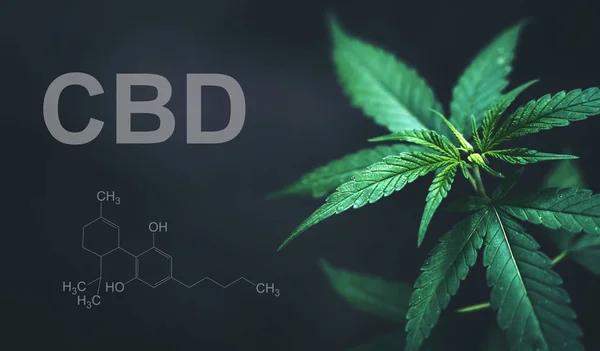
Understanding the Differences Between CBD and THC Products
In recent years, the popularity of cannabis-derived products has surged, leading to growing interest and confusion around the two primary compounds found in cannabis plants: CBD (cannabidiol) and THC (tetrahydrocannabinol). Understanding the differences between CBD and THC products is essential for consumers looking to make informed decisions based on their health needs and legal considerations.
CBD and THC are both cannabinoids, meaning they interact with the body’s endocannabinoid system, which regulates various physiological processes such as mood, pain see here now sensation, and immune response. However, their effects on the body and mind differ significantly due to their distinct chemical structures and interactions with cannabinoid receptors.
One of the most notable differences is that THC is psychoactive, meaning it produces the “high” associated with marijuana use. This psychoactive effect occurs because THC binds directly to CB1 receptors in the brain, altering perception, mood, and cognitive function. Conversely, CBD is non-psychoactive; it does not produce a high and is often valued for its potential therapeutic benefits without the mind-altering effects.
CBD products are commonly used for their potential to reduce anxiety, alleviate pain, improve sleep, and support overall wellness. These products include oils, tinctures, capsules, topicals, and edibles. Because CBD is non-intoxicating, it is legal in many regions where THC remains restricted, provided the product contains less than 0.3% THC by dry weight, as regulated in the United States under the 2018 Farm Bill.
THC products, on the other hand, are often used for both recreational and medicinal purposes. Medicinally, THC can help with nausea, appetite stimulation, muscle spasticity, and chronic pain management. These products usually come in forms such as flower, concentrates, edibles, and vape cartridges. However, due to its psychoactive nature, THC remains illegal or heavily regulated in many states and countries.
Another important distinction lies in their side effects and legal status. While CBD is generally well-tolerated, some users might experience mild side effects like dry mouth or fatigue. THC can cause more pronounced side effects such as dizziness, paranoia, and impaired motor skills, especially at higher doses. This makes understanding dosage and product type crucial for users.
In summary, CBD and THC products serve different purposes and offer distinct experiences. Consumers should consider their desired effects, legal restrictions, and potential side effects when choosing between them. Consulting healthcare professionals and purchasing from reputable sources can help ensure safe and effective use of either CBD or THC products.