Common HVAC Problems That Require Professional Repair
Heating, Ventilation, and Air Conditioning (HVAC) systems are essential components of modern homes and businesses, providing comfort through temperature regulation and air quality control. However, like any complex system, HVAC units can encounter issues that necessitate professional repair. Identifying these problems early can prevent further damage and ensure the system operates efficiently.
One prevalent issue is poor airflow. This problem often stems from clogged filters or blocked ducts which restrict the movement of air throughout the system. When airflow is compromised, it not only affects comfort levels but also forces the HVAC unit to work harder than necessary, increasing energy consumption and wear on components. Regular maintenance checks by professionals can identify blockages or dirty filters before they escalate into more significant issues.
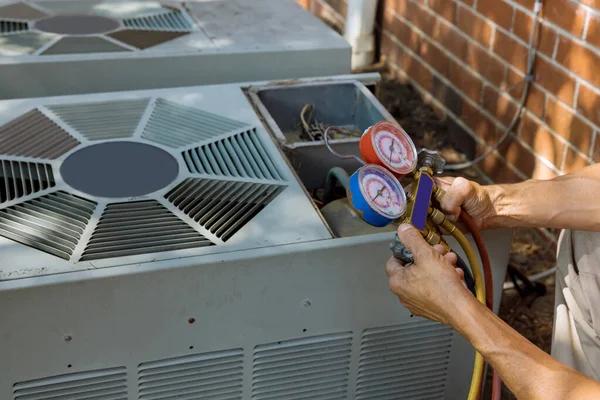
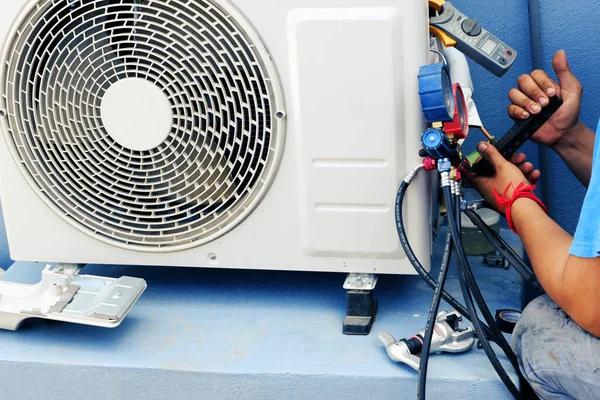
Another common problem is refrigerant leaks in air conditioning units. Refrigerant is crucial for cooling as it absorbs heat from indoor air and releases it outside. Leaks typically result in reduced cooling efficiency and increased energy costs as the unit struggles to maintain desired temperatures. Furthermore, leaking refrigerants can harm the environment if not handled properly. Professional technicians are equipped with tools to detect leaks accurately and replenish refrigerant levels safely.
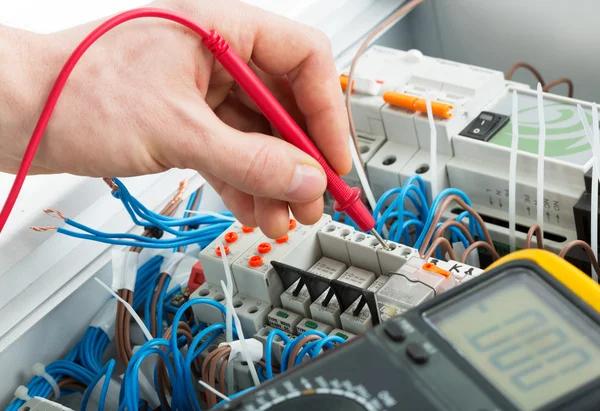
Thermostat malfunctions also frequently occur in HVAC systems. A faulty check website thermostat might lead to inaccurate temperature readings or cause the system to cycle on and off irregularly, affecting both comfort and efficiency levels within a space. While some thermostat issues may be resolved with simple recalibration or battery replacement, others require expert diagnosis to determine underlying electrical problems or sensor failures.
Strange noises emanating from an HVAC unit often signal mechanical problems that warrant immediate attention from professionals. Rattling sounds could indicate loose parts within the system while squealing noises might suggest worn-out belts needing replacement; ignoring these warning signs could lead to more severe damage over time if left unaddressed.