Seasonal ac service Checklist for Peak Performance
Maintaining your air conditioning system through regular seasonal service is essential to ensure peak performance, energy efficiency, and a longer lifespan. As temperatures rise and your AC unit works harder, neglecting routine maintenance can lead to costly repairs or reduced cooling capacity. A comprehensive seasonal AC service checklist helps identify potential issues early and keeps the system running smoothly throughout hot months.
The first step in any AC service involves inspecting the air filters. Dirty or clogged filters restrict airflow, causing the unit to work harder while decreasing indoor air quality. Replacing or cleaning these filters regularly prevents strain on the system and promotes efficient operation. Next, technicians should examine the evaporator and condenser coils for dirt buildup. Over time, dust accumulation reduces heat exchange efficiency, leading to higher energy consumption and poor cooling performance. Cleaning these coils restores optimal function.
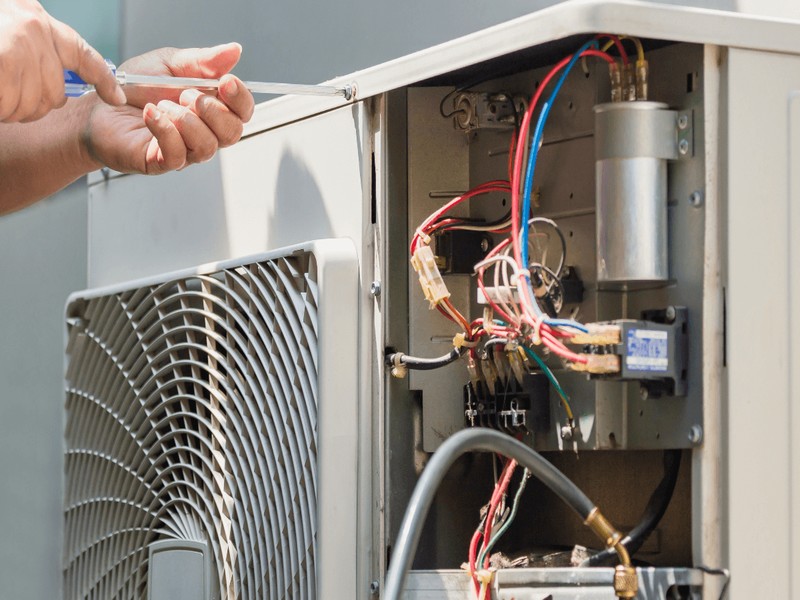
Checking refrigerant levels is another critical aspect of seasonal maintenance. Low refrigerant often indicates leaks that must be repaired promptly to avoid damage to the compressor or other components. Proper refrigerant charge ensures effective cooling without unnecessary wear on the system parts. Additionally, all electrical connections require thorough inspection for signs of corrosion or loose wiring since faulty connections can cause operational find more information failures or safety hazards.
The condensate drain line also deserves attention during servicing because blockages may result in water leakage inside the home or increased humidity levels indoors. Clearing this drain prevents moisture problems that could encourage mold growth around your HVAC equipment. Furthermore, verifying thermostat accuracy guarantees that temperature settings correspond correctly with actual room conditions; recalibration might be necessary if discrepancies appear.
Lubricating moving parts such as fan motors minimizes friction-related wear and reduces noise during operation while enhancing overall efficiency. The blower assembly should be checked for proper alignment so it distributes cooled air evenly throughout living spaces without obstruction.
Outdoor units benefit from clearing debris like leaves or grass clippings surrounding them since restricted airflow compromises heat dissipation capabilities essential for effective cooling cycles.
Finally, performing a general operational test allows technicians to monitor startup sequences, listen for unusual sounds, measure airflow velocity, and confirm steady cycling between heating and cooling modes if applicable.
Following this detailed seasonal AC service checklist not only optimizes comfort but also safeguards against unexpected breakdowns during peak usage periods by addressing minor concerns before they escalate into major repairs requiring expensive replacements later on in its lifecycle.