
Hidden Reasons Jewelry Material Is Important for Piercings
When considering body piercings, most people focus on the aesthetic appeal of jewelry. However, the material used in these pieces plays a crucial role that extends beyond mere appearance. The choice of material can significantly impact both the healing process and long-term health implications associated with piercings.
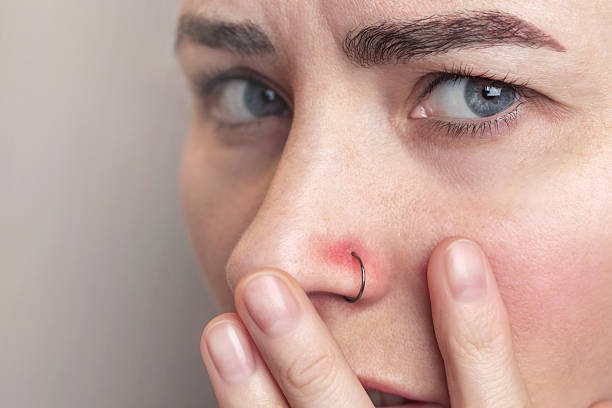
Firstly, biocompatibility is a fundamental reason why jewelry material is vital for piercings. Materials such as surgical stainless steel, titanium, niobium, and gold are often recommended because they are less likely to cause adverse reactions. These materials do not contain nickel or other allergens that could lead to irritation or allergic responses. For instance, nickel allergies are quite common and can result in redness, itching, and even infection if present in piercing jewelry.
explore the possibilities material is another critical factor. Piercing jewelry must withstand everyday wear without degrading or causing harm to the skin. High-quality materials like titanium and surgical stainless steel offer exceptional strength and resistance to corrosion from moisture or bodily fluids. This resilience ensures that the jewelry maintains its integrity over time without releasing harmful substances into your body.
Moreover, weight is an essential consideration linked to the type of material used in piercing jewelry. Heavy materials can exert undue pressure on fresh piercings, potentially leading to tearing or elongation of pierced holes over time. Lightweight options such as titanium provide comfort while minimizing stress on new piercings during their sensitive healing phase.
The smoothness of the surface finish also matters significantly when it comes to piercing jewelry materials. A polished finish reduces friction against skin tissue which aids in faster healing by preventing unnecessary irritation or trauma at the site of insertion. Smooth surfaces also make cleaning easier – an important aspect since proper hygiene minimizes infection risks during recovery periods.
