
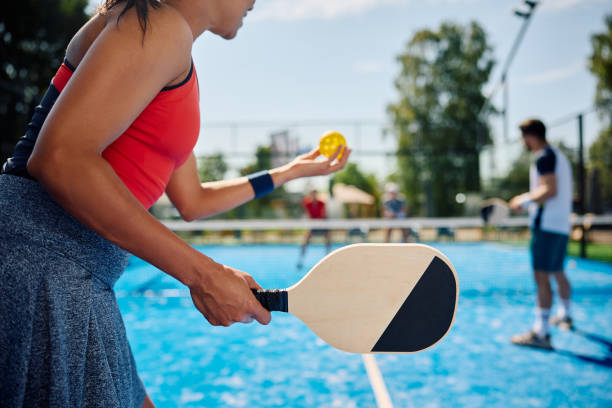
Why Texas Remains a Key State for Competitive Pickleball Growth
Texas has emerged as a significant hub for competitive pickleball growth, driven by several factors that contribute to its expanding prominence in the sport. One of the primary reasons Texas remains key to this development is its large and diverse population. With major metropolitan areas such as Houston, Dallas, Austin, and San Antonio, the state boasts a broad base of potential players ranging from young athletes to retirees. This demographic diversity fosters an inclusive environment where pickleball can thrive across different age groups and skill levels.
The state’s climate also plays a crucial role in supporting year-round play. Unlike regions with harsh winters or extreme weather conditions, Texas generally offers mild winters and plenty of sunny days. This favorable weather encourages outdoor activities throughout most of the year, allowing players to practice consistently without long seasonal interruptions. Consequently, this helps maintain high levels of engagement among competitors who seek regular training opportunities.
Infrastructure investment has been another critical element contributing to Texas’ growing status in competitive pickleball. Municipalities and private organizations have recognized the sport’s rising popularity and responded by building numerous dedicated courts and multi-sport facilities equipped for pickleball tournaments. These venues not only accommodate local enthusiasts but also attract regional and national competitions that bring visibility to Texas as a center for serious competition.
Moreover, pickleball community Texas is strong due to well-organized clubs and leagues promoting the sport at various levels. These organizations facilitate player development through clinics, workshops, and structured competition formats tailored toward improving skills while fostering camaraderie among participants. The presence of experienced coaches further enhances player progression by offering professional guidance that elevates overall standards within the state’s competitive scene.
Economic factors also contribute significantly; Texas’ relatively low cost of living compared to other states makes it an appealing location for both players relocating to advance their careers and event organizers seeking affordable venues with ample amenities. Additionally, sponsorship opportunities from local businesses eager to tap into pickleball’s expanding audience help fund events that boost participation rates.
Lastly, media coverage focusing on emerging sports like pickleball often highlights success stories from Texan players or tournaments held within the state-this exposure fuels interest nationwide while reinforcing Texas’ reputation as a powerhouse in competitive pickleball circles.
In summary, Texas remains integral to competitive pickleball growth due to its vast population base, accommodating climate conditions conducive for frequent play sessions, substantial investment in facilities designed specifically for tournament-level matches alongside vibrant community support structures encouraging continuous skill improvement-all supported by economic advantages attracting talent and event organizers alike-positioning it firmly at the forefront of this rapidly evolving sport landscape nationally.
