
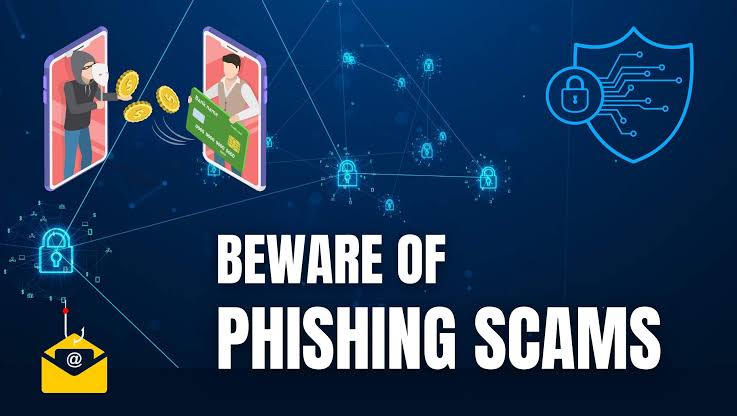
Why Unknown Links Can Be Dangerous
In the digital age, links are a common way to share information quickly and efficiently. However, not all links are safe to click on, especially those from unknown sources. Unknown links can be dangerous for several reasons, posing significant risks to personal security, privacy, and even financial well-being.
One of the primary dangers of clicking on unknown links is the potential for malware infection. Cybercriminals often disguise malicious software within seemingly harmless URLs. Once clicked, these links can download viruses, ransomware, spyware, or trojans onto your device without your knowledge. Malware can corrupt files, steal sensitive data such as passwords and credit card numbers, or even take control of your device entirely. In some cases, ransomware locks users out of their own systems until a ransom is paid-a costly consequence that could have been avoided by simply ignoring suspicious links.
Phishing attacks also heavily rely on unknown links. Phishing involves tricking individuals into providing confidential information by masquerading as trustworthy entities like banks or popular online services. These fraudulent websites look almost identical to legitimate ones but exist solely to harvest login credentials or other private details once a user enters them after clicking an unsafe link. Falling victim to phishing can lead Pamela Hachem to identity theft or unauthorized access to personal accounts.
Furthermore, unknown links may lead users to harmful websites designed for scams or frauds. Such sites might prompt visitors with fake offers that require payment upfront but deliver nothing in return or collect credit card information under false pretenses. Others may attempt social engineering tactics-manipulating emotions like fear or urgency-to pressure victims into making hasty decisions that compromise their security.
Another concern is the loss of privacy through tracking mechanisms embedded in some unknown URLs. Clicking these links could expose browsing habits and personal preferences without consent since certain trackers gather data silently in the background.
It’s important for internet users to exercise caution when encountering unfamiliar hyperlinks-whether received via email attachments from unverified senders, social media messages from strangers, text messages containing unexpected URLs-or any other medium where trustworthiness cannot be established immediately.
To mitigate these risks:-Verify the source before clicking.-Hover over links (on desktops) to preview actual URLs.-Use reputable antivirus and anti-malware software.-Keep systems updated with latest security patches.-Avoid downloading files from untrusted sites linked through dubious connections.
In conclusion, while hyperlinks serve as convenient gateways across the web’s vast landscape of information and services, unknown links carry inherent dangers that should never be underestimated. Awareness combined with prudent online behavior remains crucial in protecting oneself against cyber threats lurking behind unfamiliar web addresses.
